














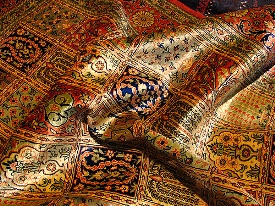
 A design patent is a patent granted on the ornamental design of a utilitarian item, providing IP rights on industrial design against unauthorized manufacture, use, reproduction, and/or import for designs that are substantially similar. Ornamental designs can include fabric patterns, carpet designs, jewelry, furniture, containers, object configurations, food shapes, fonts, and displayed computer icons.
In some jurisdictions, design patents are granted based on the design fulfilling criteria of novelty and non-obviousness, while other countries register designs once formal application requirements are met – such as in Germany, France, Spain, and for Community Designs (similar to Community Marks under the CTM System) at the Office of Harmonization for the Internal Market (OHIM).
In Canada, China, Japan, South Africa, and the United States, design patent applications are not published, maintaining secrecy until grant. Requests for extensions of non-publication can be filed during prosecution and after grant in some jurisdictions. Design patents have a term of 14 years from the date of issue. The issue of functional use of a design (such as the Lego block) has raised objections of invalidity based on improper registration, drawing the line between aesthetic or decorative qualities and utilitarian aspects.
While forms of creative expression can be copyrighted, such copyrights must lack substantial practical utility, or be separable from the utilitarian object (such as an image printed on a functional surface). Design patents protect the ornamental aspects of such objects from being infringed, without the need to show derivation. Both copyrights and design patents, as well as trademarks and trade dress (signaling the manufacturer to consumers), can be used to protect the creator’s rights to novel aspects of an object.
Design patents can be used as an integral part of an IP filing strategy by helping to strengthen designs into industry standards for functional elements such as electrical connectors, replaceable cartridges, cosmetic applicators, disposable medical components, and memory-storage modules.
FlashPoint IP factors these wide-ranging aspects into the process of securing patent protection, whether in searching the prior art, drafting patent applications, selecting how and where to file, or prosecuting your claims to an invention to help you maximize value in an extensive array of practice areas. Our patent attorneys are adept at synthesizing the many facets needed to create a winning formula for your IP. Contact us to discuss your options regarding IP positioning and strategy, and how best to secure your rights.






